

One verifiable digital identity for each asset
AssetID is a digital asset identity for financial, physical and tokenized assets. It connects ownership, documents, pricing, approvals and token references in one controlled record, without replacing your existing systems.
 Human-readable
- Machine-readable
- Cryptographically verifiable
- Works with your existing systems














The problem
Asset data exists. Its context rarely travels with it.
Asset information sits across organizations, portals, spreadsheets, PDFs and databases. Every handover raises the same questions: who controls the asset, which documents are current and who approved the published data? A token address alone answers none of them.
How it works
How AssetID works
Blockchain can show that data has not changed after publication. It cannot show that the data was right in the first place. AssetID adds the review and approval steps before publication.
1
Capture
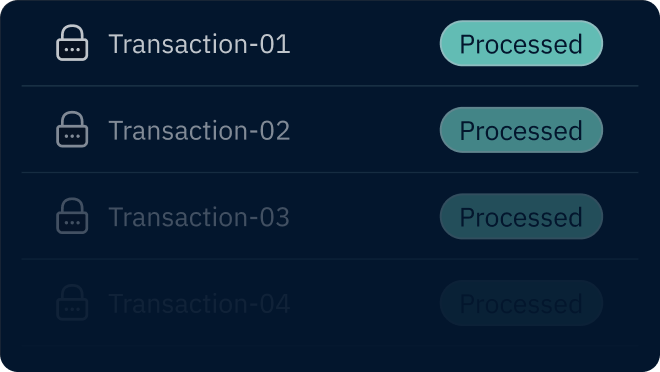
Create the asset record
Create an AssetID for a financial, physical or tokenized asset. Data providers submit ownership information, documents, price data and wallet addresses in the app or through the API.
2
Control
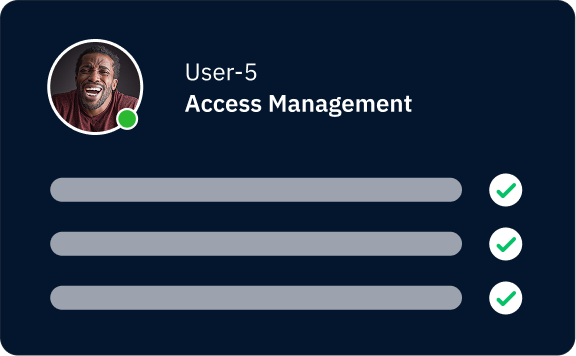
Review and approve before publication
Decide who provides, reviews and approves each record before it is published. Every role and action stays attributable.
3
Prove
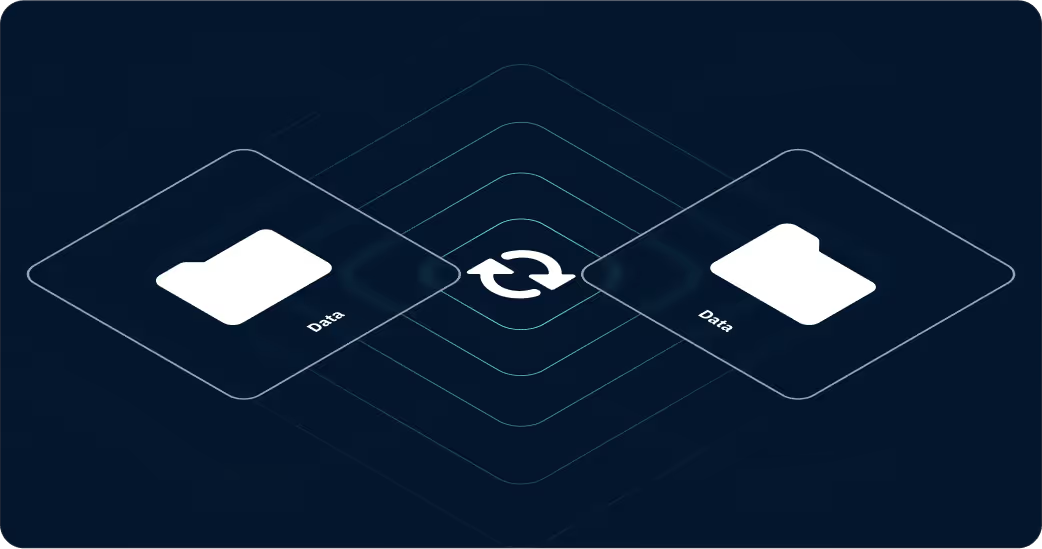
Let others verify the record
Approved data is anchored and shared through Proof Packages or APIs. Recipients can verify the record's integrity and its approval history.
A token identifies a digital position. AssetID documents what stands behind it and makes that record verifiable.
Capabilities
Control the complete asset record
Ownership and roles
Define who owns, administers, submits, reviews and approves information for each AssetID.
Verifiable history
See who submitted information, when, which version was valid and who approved it.
Token and wallet links
Link token addresses and associated wallets without treating the token itself as proof of the underlying asset.
Pricing and NAV data
Connect price types and NAV records to one attributable source, with provider, timestamp and approval history.
APIs and webhooks
Keep AssetID data current automatically and connect it to your investor, customer or trading platform.
Proof Packages
Share selected records and supporting documents with auditors, investors, counterparties or regulators, without opening the full record.
Use cases
One identity, adapted to the asset
Tokenized investments
Connect a token with ownership information, legal documents, pricing, NAV records and approval history.
Funds and financial assets
Keep one attributable source of asset and valuation data across issuers, administrators and trading venues.
Real-world assets
Link physical assets with ownership records, certifications, inspections and supporting documents.
Equipment and regulated assets
Keep service records, certifications and compliance documentation together across the asset lifecycle.
Case study
AssetID in use: VIRIDIS VIA Security
VIRIDIS Green-Tech Investment AG issued VIA Security, a tokenized investment certificate, with Filedgr AssetID. Purchase value, time and terms of each subscription are recorded as a dataset that tax advisers and auditors can check without relying on the issuer.
“With the token live, we wanted to give our investors and their tax advisers more than just a letter from us. They needed a structured, verifiable record they could review.”

FAQ
AssetID FAQ
What is AssetID?
AssetID is a digital asset identity: a controlled record that connects an identifiable asset with its ownership information, documents, data sources, approvals and token references. Authorized parties can verify the integrity of the record and its history.
How is AssetID different from a token?
A token identifies a digital position on a blockchain. AssetID documents what stands behind it: the underlying asset, its documents, data history and approvals. You can link token and wallet addresses to an AssetID.
How does AssetID verify asset data?
AssetID records who submitted information, when, which version was approved and by whom. The approved record is anchored, so later changes become detectable. AssetID verifies the integrity and history of the record, not whether each statement in it is true.
Does AssetID replace our existing platform?
No. AssetID works alongside existing platforms and connects to them through APIs and webhooks.
Can different users see different information?
Yes. You assign roles for each AssetID and share selected records through Proof Packages, so each party sees only what it needs.
Can AssetID provide pricing or NAV data?
Yes. AssetID connects pricing and NAV records with their provider, timestamp and approval history.
Does AssetID make an asset compliant or create a market for it?
No. AssetID keeps asset data and documents audit-ready for review. It does not replace KYC, AML or legal review, guarantee regulatory approval or create buyers and liquidity. It provides the traceable record these processes rely on.
Is AssetID a Digital Product Passport?
No. AssetID is built around an identifiable asset. For products or batches with extensive process data, it can be combined with a Digital Product Passport or a structured data Vault.
Give every asset a record others can verify.
Create a controlled, reusable and verifiable identity for your financial, physical or tokenized assets.
Request a demo